There is a particular elegance in restraint.
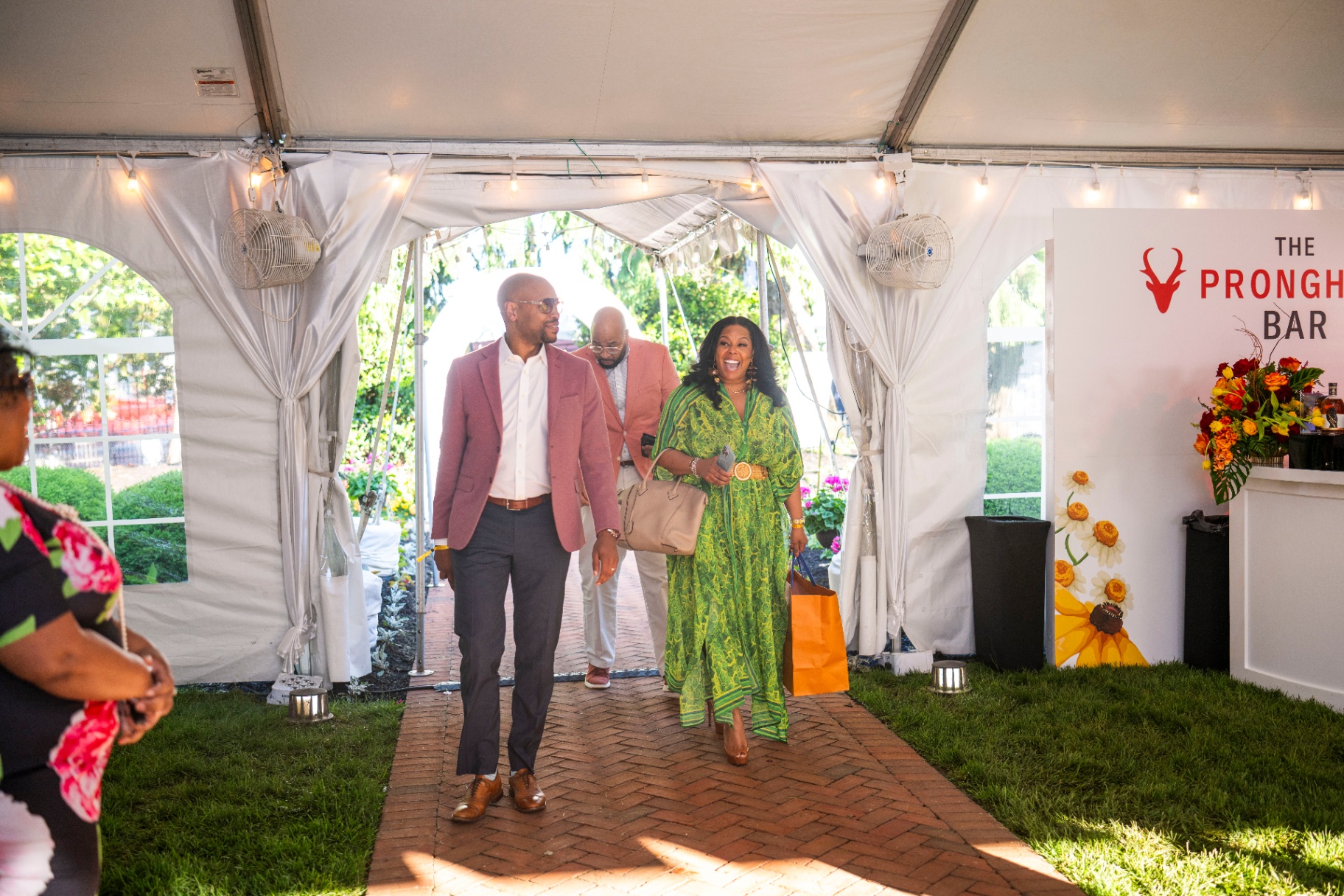
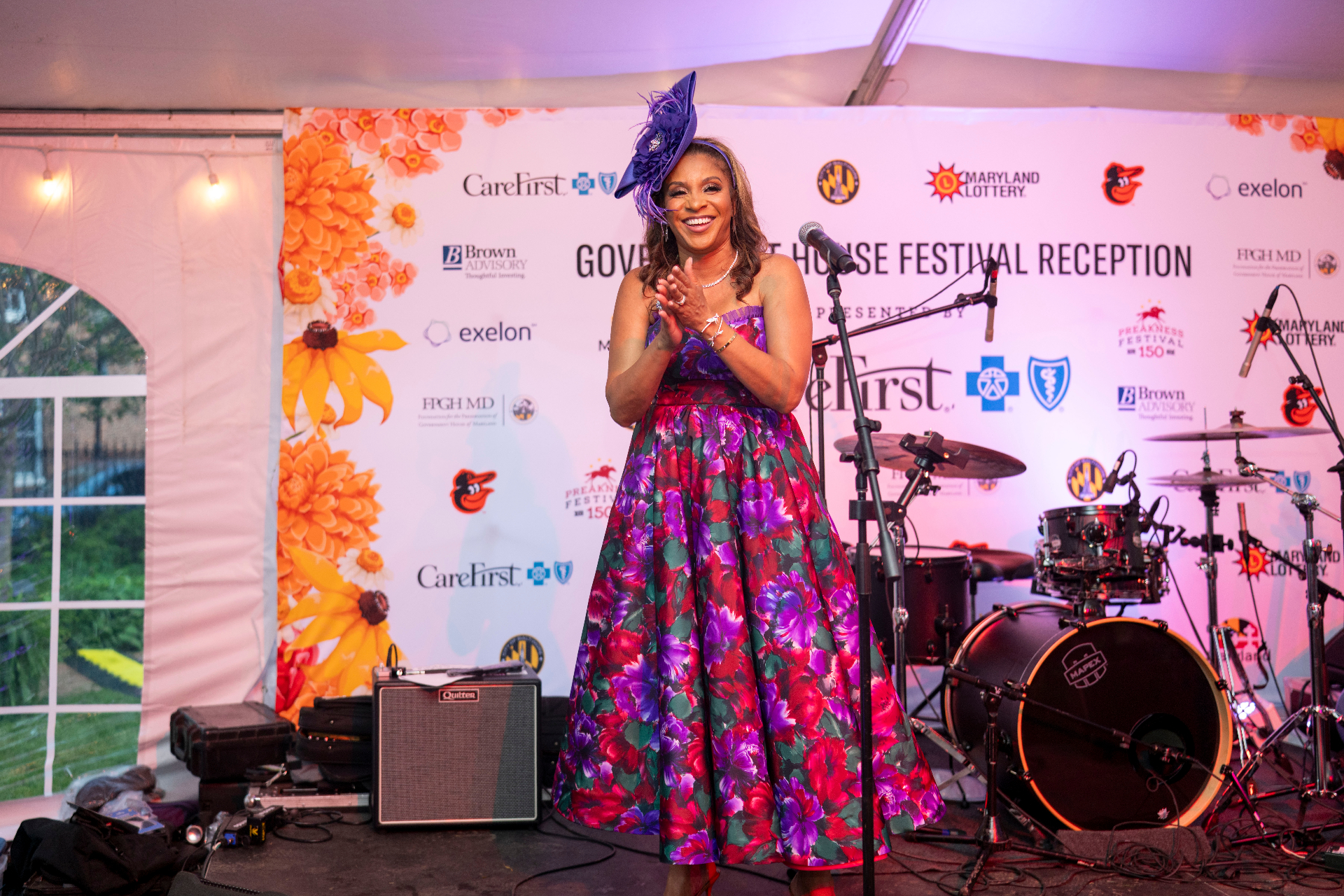
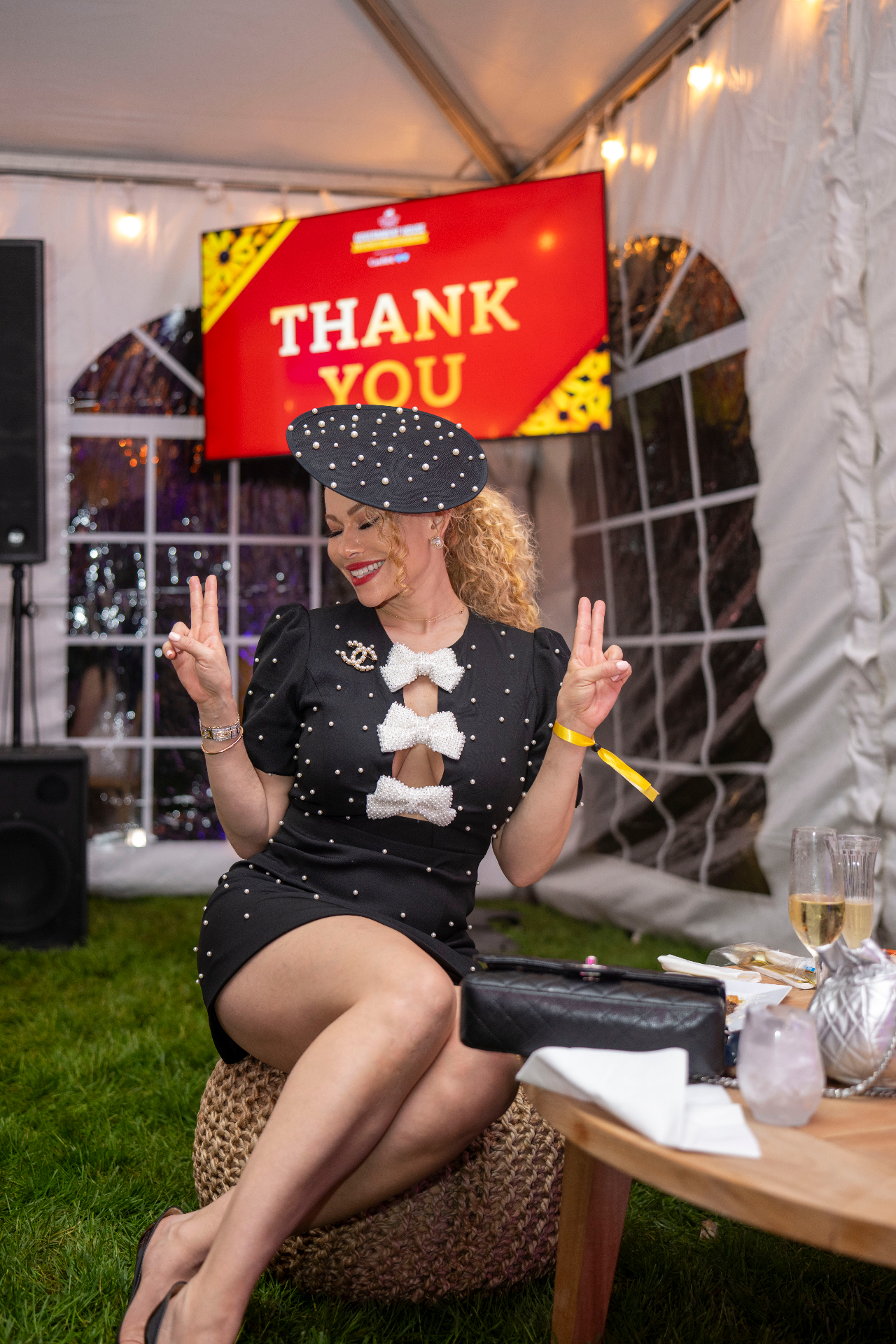
Long before the bugle, before the silks, before the first hand is extended in the infield, Preakness begins quietly. In the choosing of a hat. In the line of a lapel. In the deliberate hush of a morning spent dressing for an afternoon that demands precision.
This is not a sport. It is a discipline of presence.
“Elegance requires discipline.”
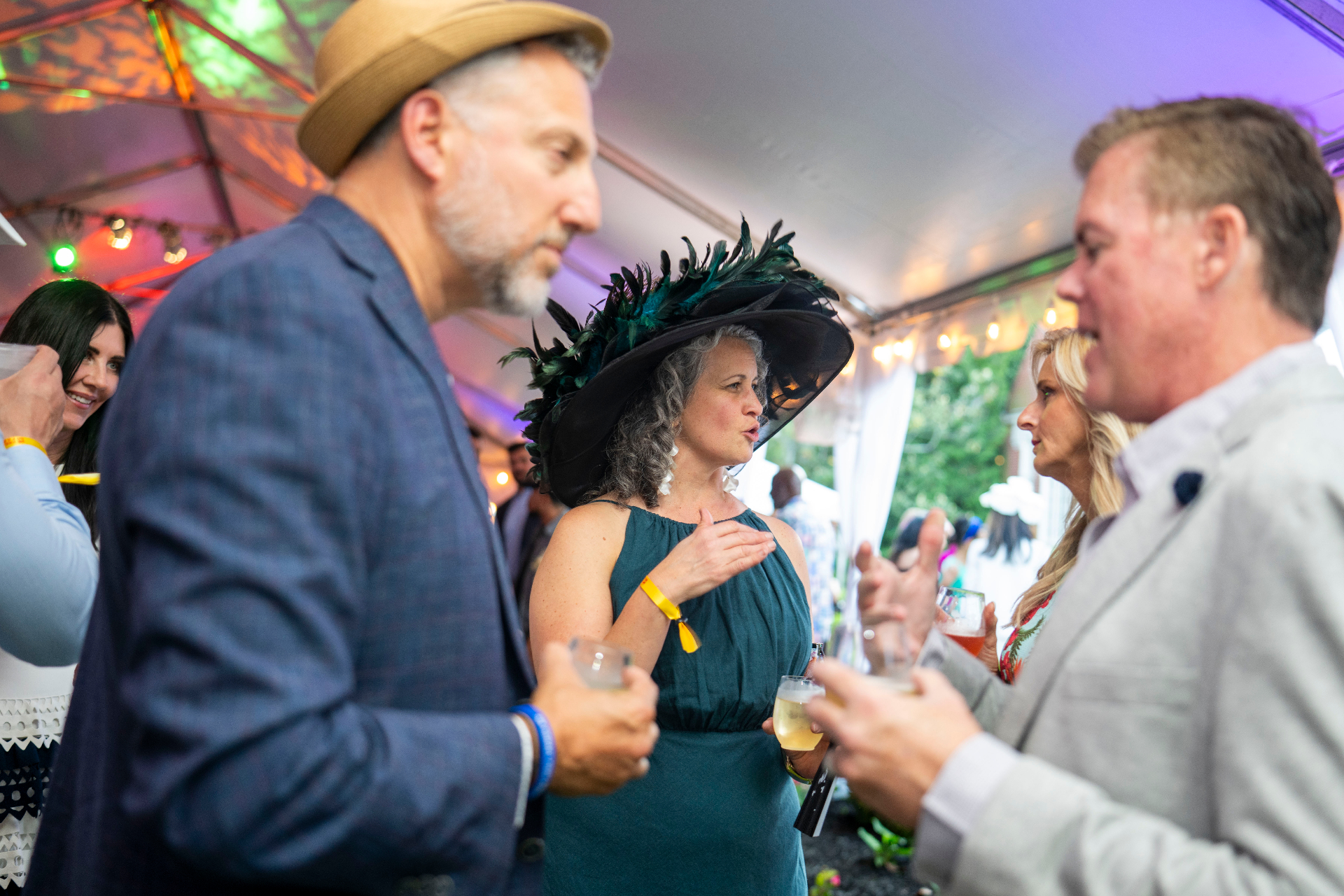
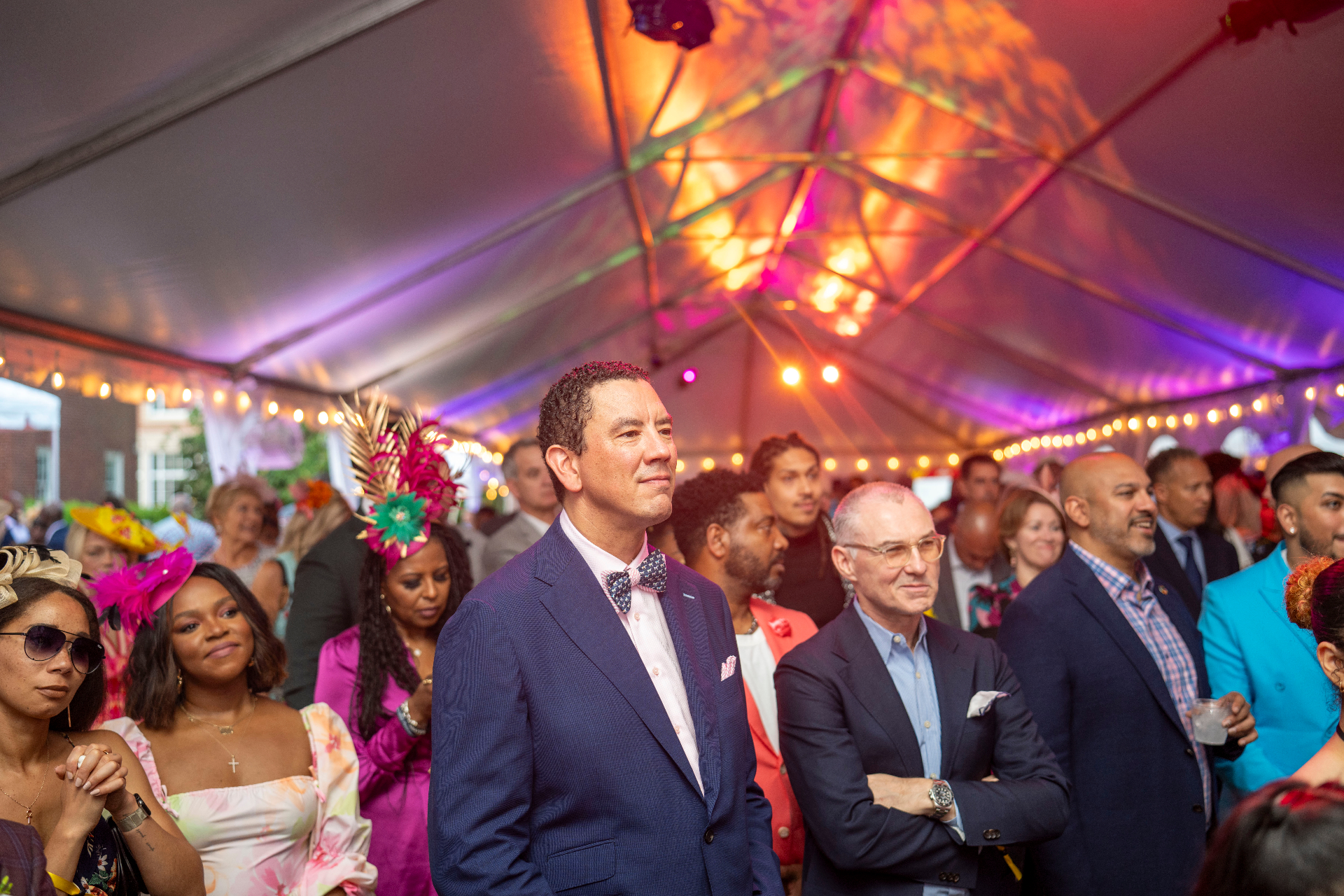
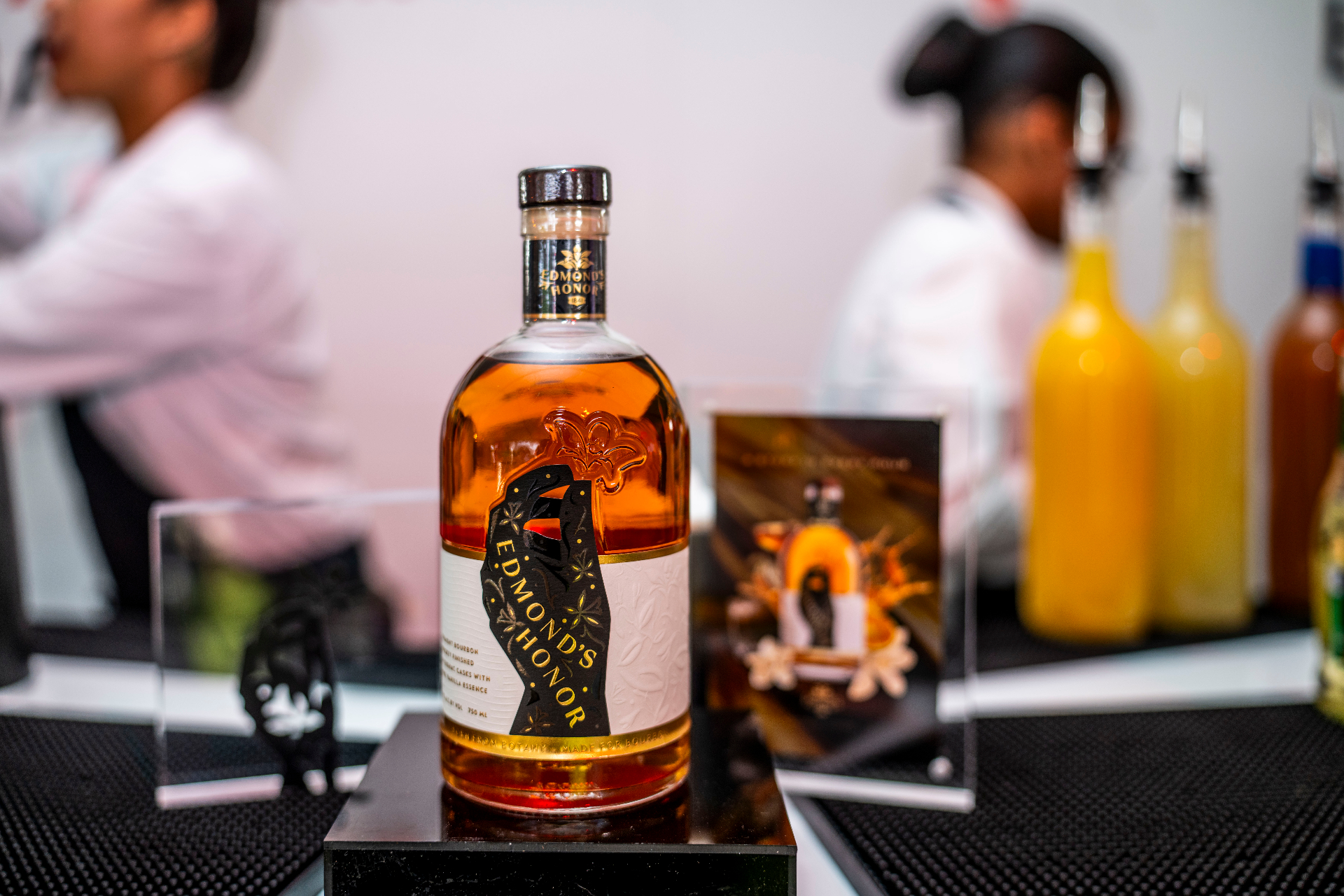
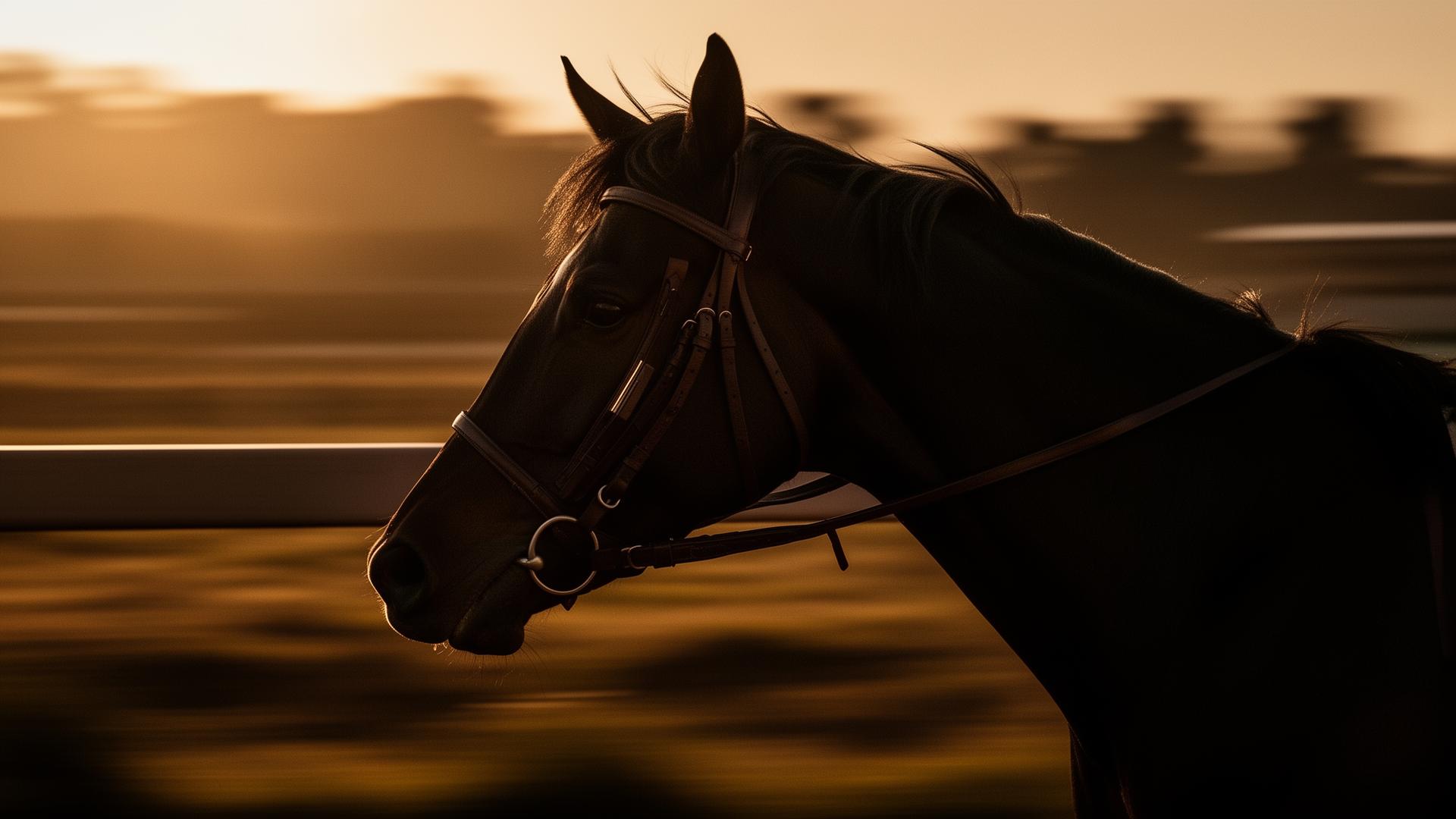
The room before the race is its own performance. Tailored shoulders. Saddle-leather watch straps. A bourbon poured slowly while a friend finishes a sentence. Conversation here moves like horses in the paddock, measured, alert, never hurried.
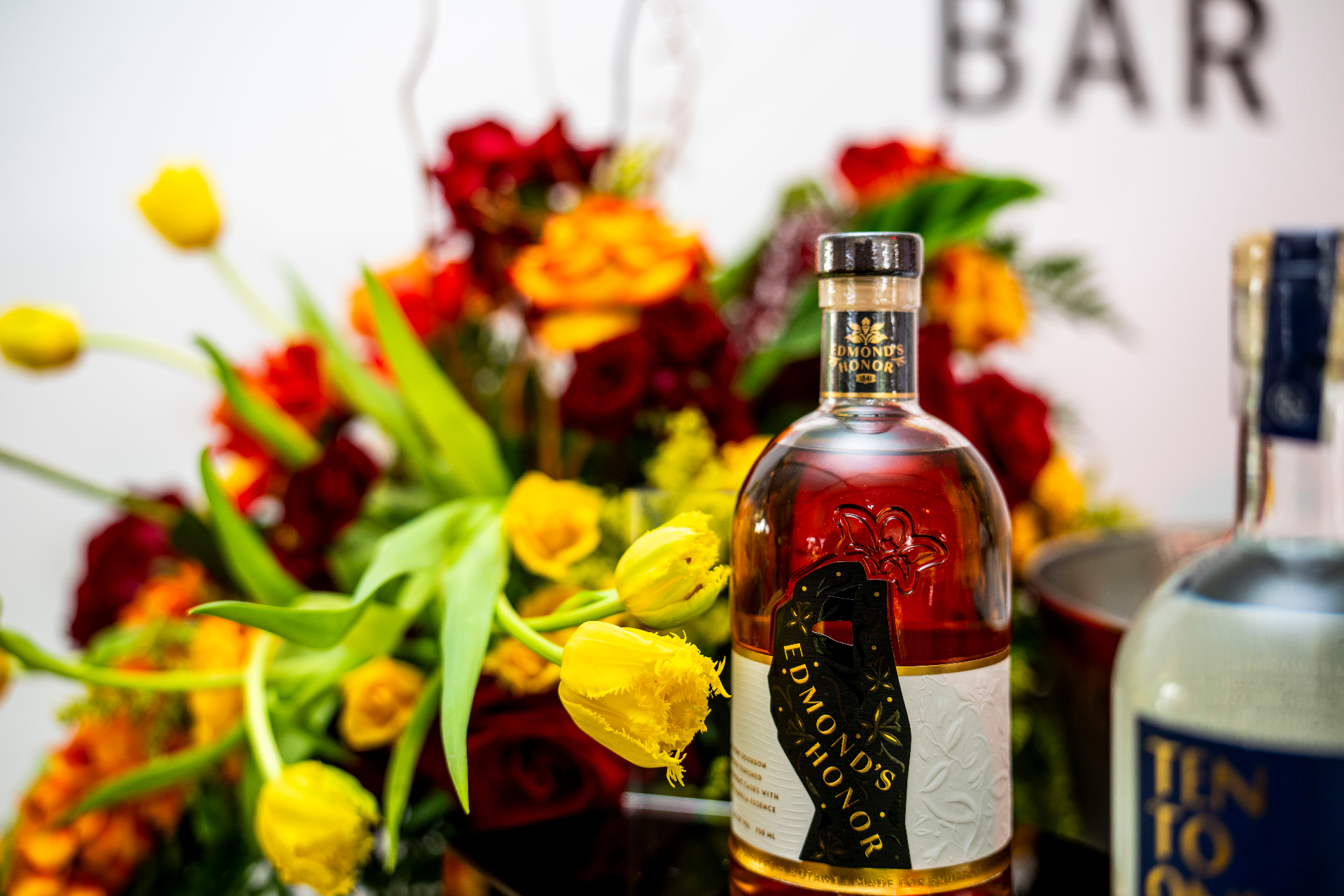
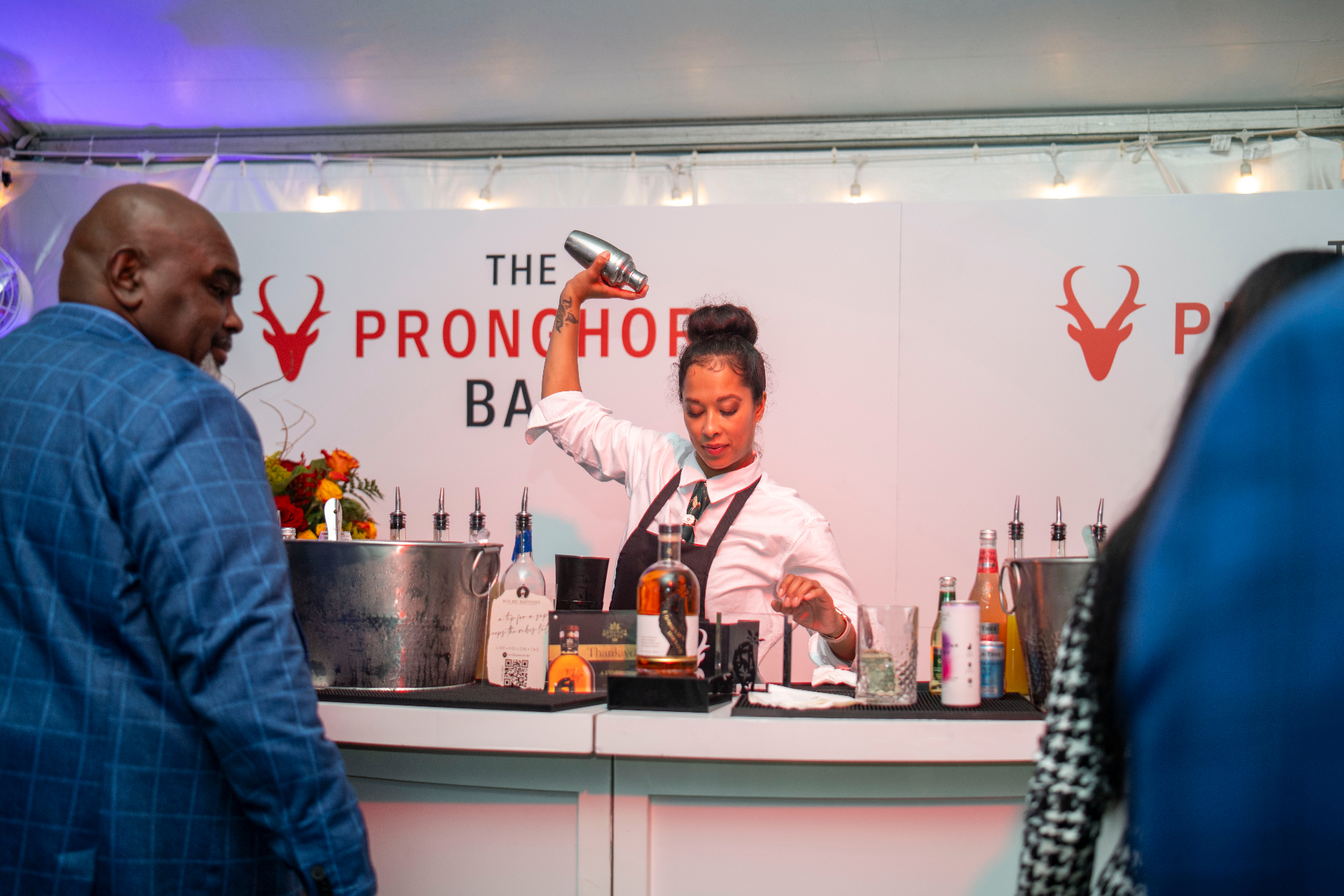
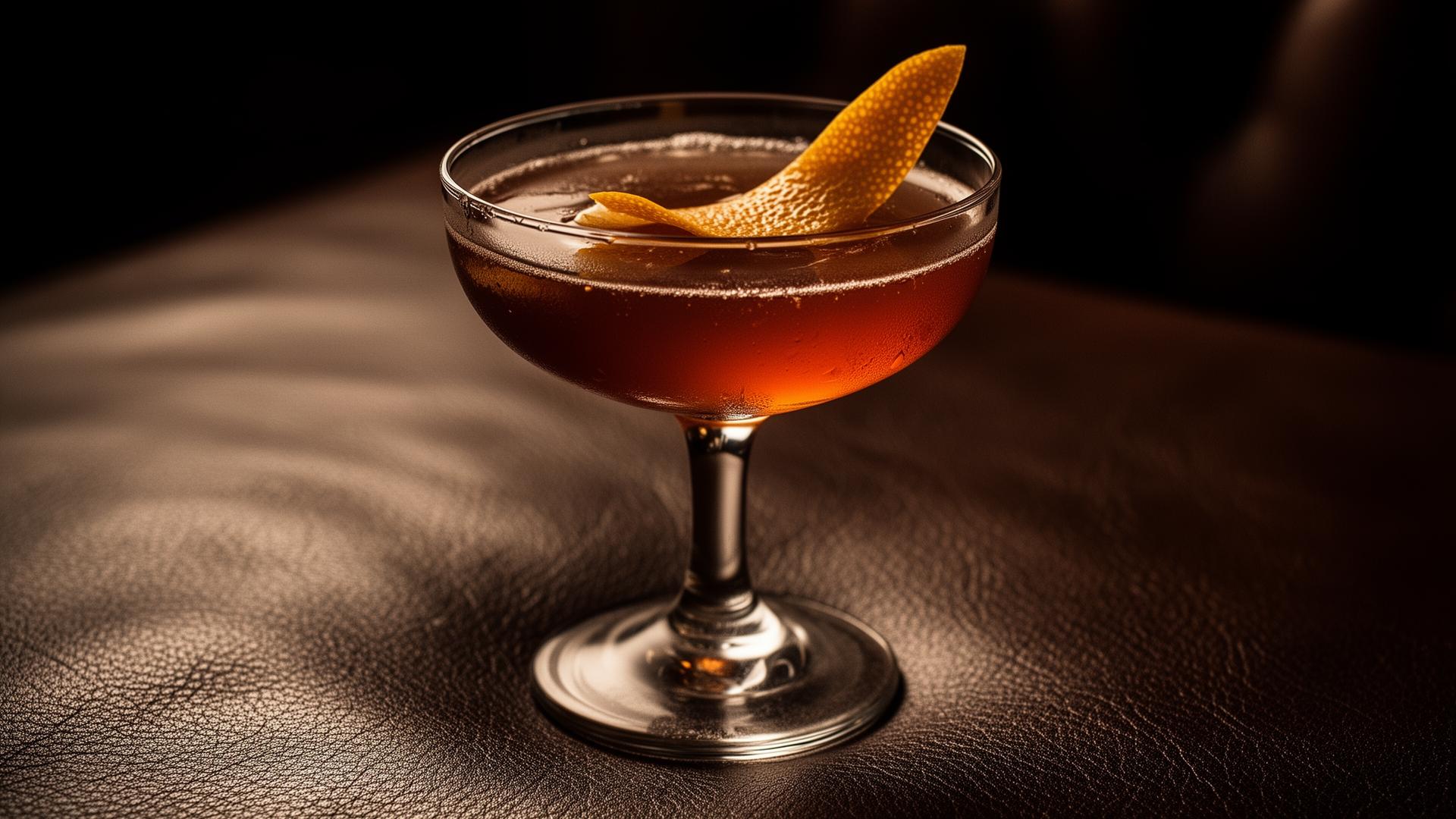
Hospitality, when done well, is craftsmanship. The arrangement of flowers. The temperature of a coupe. The instinct of a bartender who knows when to pour and when to step away. Nothing announced. Every detail intentional.
“Legacy moves quietly.”
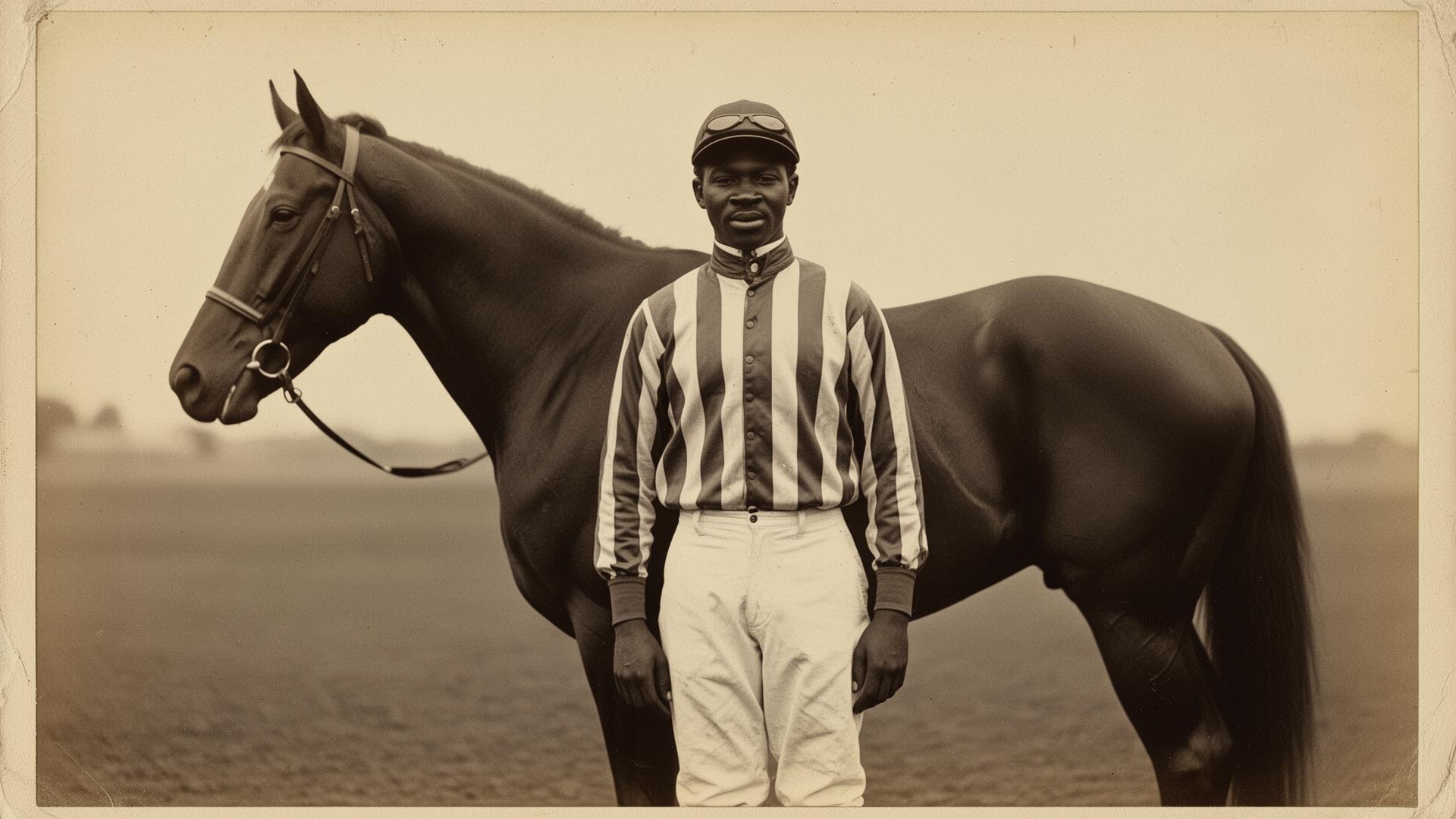
And beneath all of it, the silks, the sport, the spectacle, is a history that has long been left at the edge of the frame. The Black horsemen, trainers, and jockeys who built American racing into what it became. Names spoken too softly for too long.
The honor was always there. We simply learn to look for it.